Creating a comfortable and productive home office environment is essential for anyone working from home. Whether you’re a full-time remote worker or occasionally need a quiet place to focus, setting up your workspace thoughtfully can make a big difference in your efficiency and well-being. Here are some practical tips to help you design a home office that feels both inviting and inspiring.
Choose the Right Location
Selecting the ideal spot for your home office is the first step. Consider these factors:
– Natural Light: Position your desk near a window to enjoy natural light, which can improve mood and reduce eye strain.
– Noise Levels: Choose a quiet corner away from household distractions like the television or main traffic areas.
– Space Availability: Ensure there’s enough room for your desk, chair, and any equipment you need without feeling cramped.
If you don’t have a dedicated room, consider investing in room dividers or screens to create a sense of separation.
Invest in Ergonomic Furniture
Comfort plays a key role in productivity. Ergonomic furniture supports your body and reduces fatigue.
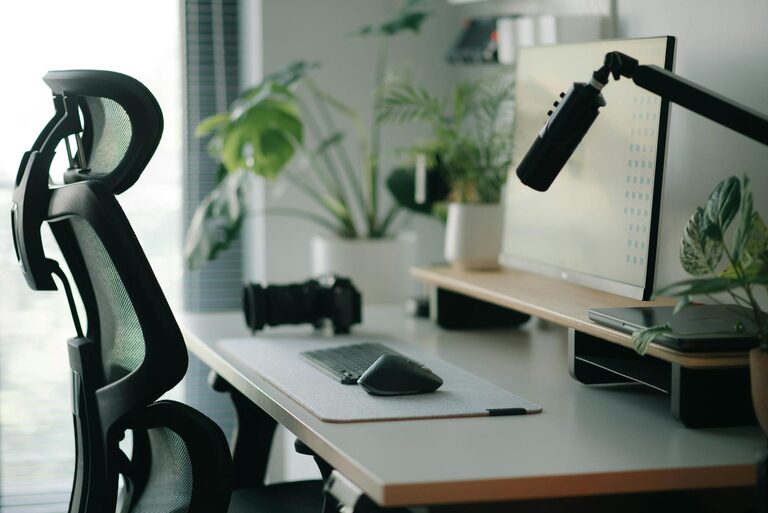
– Chair: Choose an adjustable chair with good lumbar support. This helps maintain proper posture during long working hours.
– Desk: Opt for a desk at the right height to keep your wrists straight and shoulders relaxed.
– Monitor Position: Place your computer screen at eye level, about an arm’s length away, to avoid neck and eye strain.
If possible, consider a sit-stand desk to alternate between sitting and standing throughout the day, promoting movement and reducing stiffness.
Organise Your Workspace Efficiently
A tidy workspace helps keep your mind clear and focused. Here are some organisation tips:
– Declutter Regularly: Keep only the essentials on your desk to avoid distractions.
– Storage Solutions: Use shelves, drawers, or filing cabinets to neatly store documents and supplies.
– Cable Management: Use cable clips or sleeves to keep wires organised and prevent tangling.
Personal touches like a small plant or family photo can add warmth without creating clutter.
Optimise Lighting
Good lighting is vital to reduce eye strain and maintain alertness.
– Combine Lighting Types: Use a mix of natural light, overhead lighting, and task lamps.
– Avoid Glare: Position your screen perpendicular to windows to prevent reflection.
– Adjust Brightness: Choose adjustable lamps so you can control the light intensity depending on the time of day.
If natural light is limited, consider bulbs that mimic daylight to create an energising atmosphere.
Minimise Distractions
Distractions can hinder your concentration and productivity. Try these strategies:
– Set Boundaries: Let family members or housemates know your working hours to minimise interruptions.
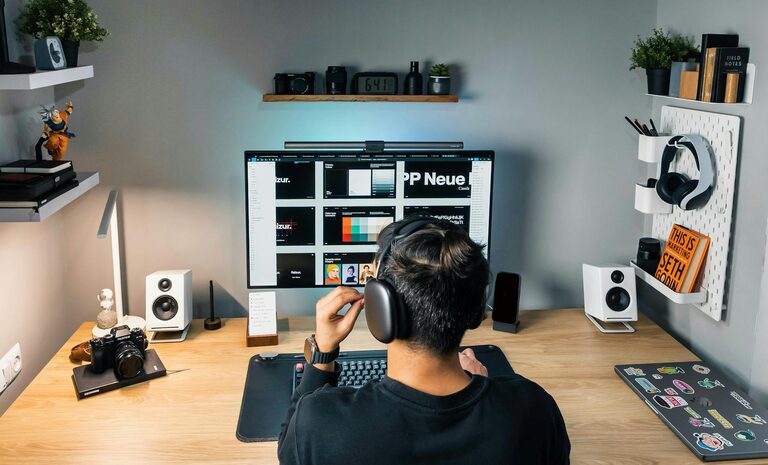
– Use Noise-Cancelling Headphones: These can block out background noise and keep you focused.
– Turn Off Notifications: Silence non-essential phone and computer alerts while working.
Creating a routine and designated breaks can help maintain focus throughout the day.
Enhance Air Quality and Comfort
Fresh air and a comfortable temperature improve your overall work experience.
– Ventilation: Open windows regularly or use an air purifier to keep the air fresh.
– Temperature Control: Use fans or heaters to maintain a comfortable temperature.
– Plants: Adding indoor plants can improve air quality and add a calming touch to your workspace.
Staying hydrated and taking short breaks to stretch also contribute to your comfort and health.
Incorporate Technology Wisely
Technology is a crucial part of a home office but should support your workflow, not complicate it.
– Reliable Internet: Ensure your internet connection is fast and stable.
– Backup Solutions: Use cloud storage or external drives to protect your work.
– Useful Apps: Consider productivity and organisation apps to manage tasks and time effectively.
Keep your software and devices updated to avoid technical issues during working hours.
Personalise Your Space
Your home office should feel welcoming and motivating.
– Decorate Thoughtfully: Use colours and artwork that inspire you without distracting.
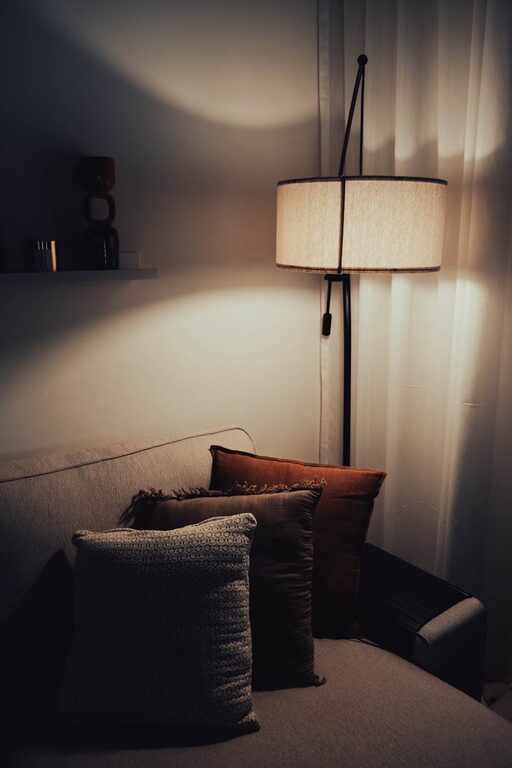
– Comfort Items: Consider cushions, footrests, or a cosy blanket for extra comfort.
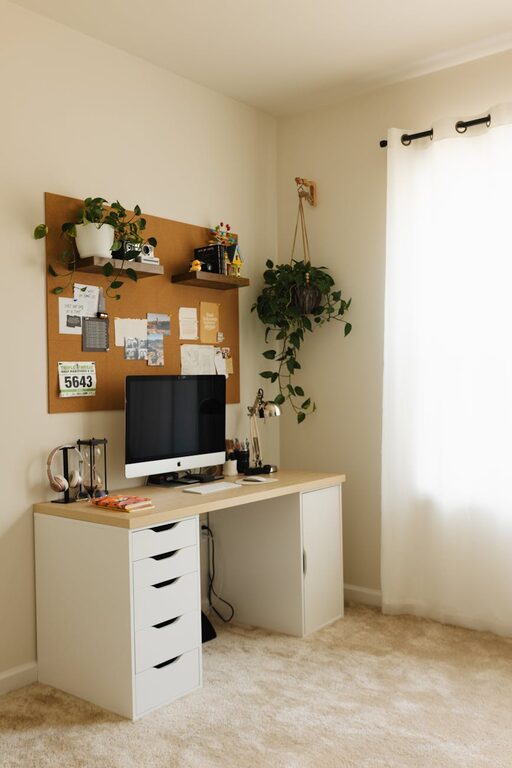
– Inspiration Board: Create a small pinboard with goals, reminders, or quotes to keep you motivated.
A personalised workspace helps improve mood and encourages regular work habits.
Create a Clear Work-Life Boundary
One of the challenges of a home office is separating work from personal life.
– Set a Schedule: Work consistent hours to maintain routine.
– Designate Workspace: Avoid working from the sofa or bed. Staying in your office space helps switch off outside working hours.
– End-of-Day Ritual: Develop a habit to close your workday, such as tidying your desk or turning off your computer.
This structure helps maintain balance and prevents burnout.
—
By following these tips, you can transform your home office into a comfortable and productive space tailored to your needs. Remember, small changes can make a big impact on your work efficiency and well-being, so start with one or two adjustments and build from there. Happy working!

Related Posts