Creating a productive home office environment is essential for anyone working remotely or freelancing. When your workspace is well-organised and comfortable, you’re more likely to stay focused, complete tasks efficiently, and maintain a healthy work-life balance. Whether you’re setting up a dedicated room or carving out a corner in your living space, the right approach can make all the difference.
In this guide, we’ll explore practical tips to help you create an effective home office that supports productivity and wellbeing.
Choose the Right Location
Finding the ideal spot at home for your office is the first step. Aim for a quiet area with minimal distractions, preferably with natural light. Natural light not only brightens the space but can also boost mood and energy levels.
If a separate room isn’t available, choose a corner or wall where you can position your desk away from foot traffic or noisy activities. Avoid working from your bed or sofa, as this can blur the lines between relaxation and work.
Invest in Ergonomic Furniture
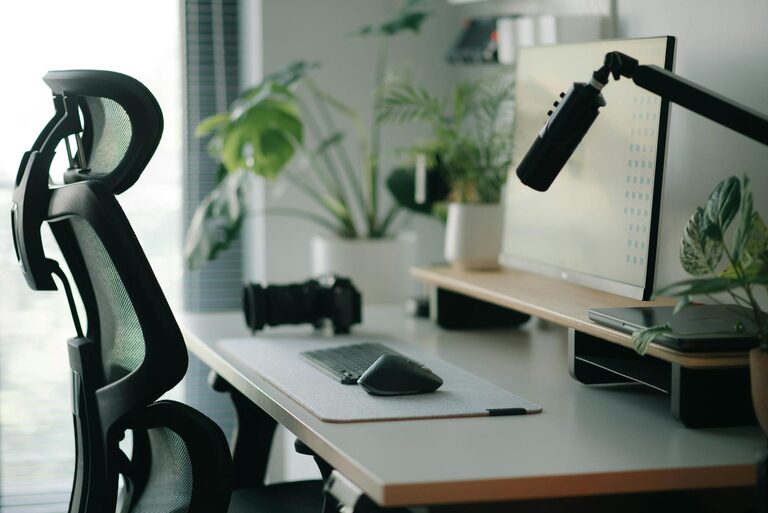
Comfort is key during long work hours. An ergonomic chair and desk help reduce strain on your body, preventing back and neck pain.
– Chair: Look for adjustable height, lumbar support, and comfortable padding.
– Desk: Ensure there is sufficient space for your computer, documents, and other essentials. Sit-stand desks can also be a great option to alternate your posture.
Setting up your equipment so that your screen is at eye level and your feet rest flat on the floor can improve posture and reduce fatigue.
Keep Your Workspace Organised
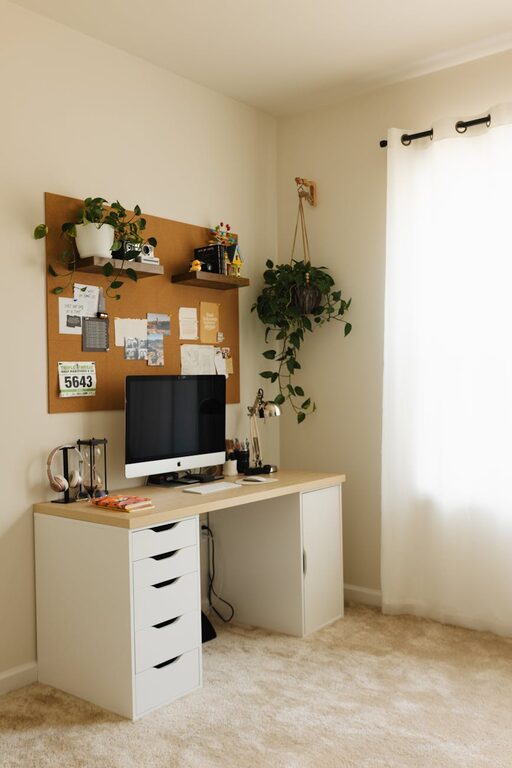
Clutter can be a major distraction. Take time to organise your desk and storage to keep only what you need close at hand.
– Use trays, file organisers, or drawers to sort documents and stationery.
– Label storage boxes to quickly find items.
– Regularly declutter and tidy your space to maintain order.
Having a clean, orderly desk can help clear your mind and improve overall focus.
Set Clear Boundaries
Working from home makes it easy for work to spill into personal life. Establish boundaries to maintain balance.
– Set regular working hours and stick to them.
– Communicate your schedule to household members to minimise interruptions.
– Use a door sign or headphones as signals that you’re working.
When your workday ends, physically leave your workspace to disconnect.
Optimise Lighting and Temperature
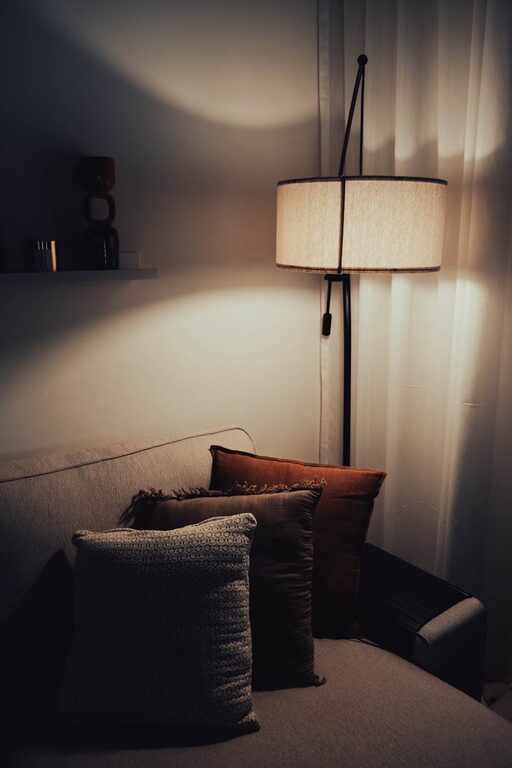
Good lighting reduces eye strain and keeps you alert. Ideally, position your desk near a window. Supplement natural light with adjustable desk lamps for cloudy days or evening work.
Temperature also affects concentration. Aim for a comfortable room temperature, and consider a fan or space heater if needed.
Minimise Distractions
Distractions can seriously disrupt productivity. Here are some ideas to keep interruptions at bay:
– Mute phone notifications or use “Do Not Disturb” modes.
– Close unnecessary tabs or apps when working.
– Set specific times for checking emails and social media.
– Use noise-cancelling headphones or background music if it helps concentration.
Personalise Your Space
Adding personal touches to your office can make it a more inviting and motivating environment.
– Incorporate plants to improve air quality and add a calming presence.
– Display inspiring artwork or photos.
– Choose a colour scheme that energises or soothes you.
Just be mindful not to add too many distractions in this area.
Use Technology Wisely
Equip your home office with reliable technology that supports your work.
– High-speed internet is essential.
– Use a good-quality webcam and microphone for virtual meetings.
– Consider tools like cable organisers to keep cords tidy.
Backing up important work and regularly updating software will help prevent technical problems.
Take Regular Breaks
Finally, remember that productivity isn’t about working non-stop. Taking short breaks refreshes your mind and reduces fatigue.
– Follow the 25-5 rule: work for 25 minutes, then take a 5-minute break.
– Stretch your legs or do light exercises.
– Drink water and have healthy snacks nearby.
Scheduling breaks encourages better focus when you return to work.
—
Creating a productive home office environment revolves around your needs, comfort, and lifestyle. By thoughtfully organising your space and habits, you can build a setting that not only supports your work but also enhances wellbeing. Start small and adjust your setup as you discover what works best for you. Happy working!

Related Posts