
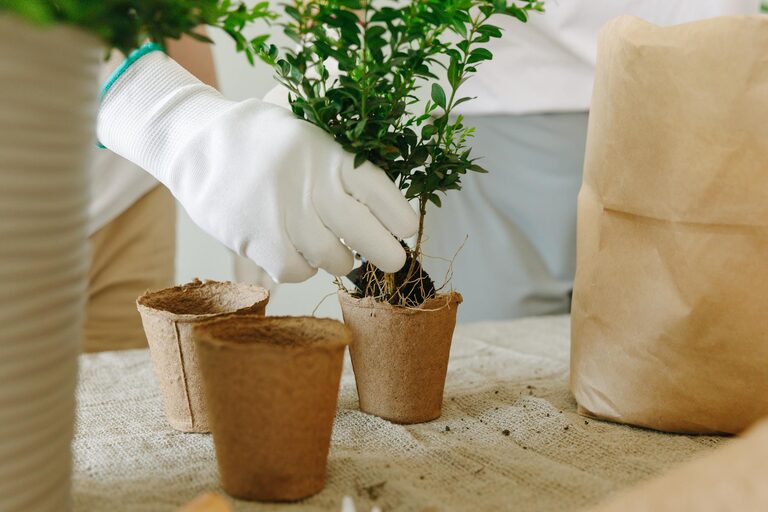
Creating a sustainable and eco-friendly home garden is a rewarding way to connect with nature while reducing your environmental impact. Whether you have a large backyard or a small balcony, simple steps can transform your gardening approach into one that supports biodiversity, conserves resources, and promotes healthy soil. This guide provides practical advice to help you build a garden that thrives naturally and contributes positively to the planet.
Why Choose a Sustainable Garden?
Sustainable gardening focuses on using resources wisely and supporting local ecosystems. By choosing eco-friendly methods, you reduce waste, conserve water, and provide a habitat for beneficial insects, birds, and other wildlife. This approach not only improves your garden’s health but also contributes to a greener community.
Planning Your Sustainable Garden
Understand Your Space and Climate
Start by assessing your garden’s size, soil type, sunlight, and local climate. Native plants often require less water and are better adapted to resist pests and diseases. Knowing these factors helps you choose suitable plants and plan your garden layout efficiently.
Design with Nature in Mind
Incorporate features such as shaded areas, windbreaks, and water catchment zones. Group plants with similar water needs together to avoid wastage. Consider planting layers, including ground cover, shrubs, and trees, which mimic natural ecosystems and provide shelter for wildlife.
Choosing Plants Wisely
Select Native and Drought-Resistant Plants
Native species are well-suited to your area and typically need less fertiliser, water, and pesticides. Drought-resistant plants are especially valuable in reducing water use. Combining these types ensures a resilient garden that can cope with changing weather conditions.
Include Edible and Pollinator-Friendly Plants
Grow vegetables, herbs, and fruit to enjoy fresh produce and reduce food miles. Additionally, planting flowers that attract pollinators like bees and butterflies supports biodiversity while enhancing your garden’s beauty.
Soil Health and Composting
Build Healthy Soil Naturally
Healthy soil is the foundation of a sustainable garden. Avoid chemical fertilisers and instead use organic compost, well-rotted manure, or natural mulches. These improve soil structure, provide nutrients, and support beneficial microorganisms.
Start Composting at Home
Composting kitchen scraps, garden waste, and leaves reduces landfill waste and creates valuable fertiliser. Even a small compost bin or wormery can provide nutrient-rich material that helps your plants flourish.
Water Conservation Techniques
Collect and Reuse Rainwater
Set up a rainwater harvesting system using barrels or tanks to capture runoff from roofs. This free water supply reduces reliance on mains water, especially during dry spells.
Use Efficient Watering Practices
Water plants early in the morning or late in the evening to minimise evaporation. Drip irrigation or soaker hoses deliver water directly to roots, conserving more water than traditional sprinklers.
Mulch to Retain Moisture
Applying organic mulch such as bark chips, leaves, or straw around plants helps keep soil moist, suppresses weeds, and enriches the soil as it breaks down.
Natural Pest and Disease Management
Encourage Beneficial Insects
Ladybirds, lacewings and spiders act as natural pest control by feeding on aphids and other harmful insects. Planting a diversity of flowers like marigolds, daisies, and fennel will attract these helpful creatures.
Avoid Chemical Pesticides
Instead of chemicals, try natural remedies such as neem oil, garlic spray, or manual removal of pests. Companion planting — growing certain plants together — can also deter pests; for example, basil planted near tomatoes reduces whiteflies.
Supporting Wildlife in Your Garden
Create Habitats and Shelter
Include bird feeders, insect hotels, and log piles to provide shelter and nesting spots. Leave some areas wild or less tidy to encourage a variety of animals and insects to visit your garden.
Use Chemical-Free Practices
Avoid using herbicides and pesticides which can harm wildlife. Opt for organic gardening methods that safeguard the health of beneficial creatures.
Maintaining Your Garden Sustainably
Reduce Waste
Reuse garden materials like pots, plant supports, and tools. Upcycle old containers for planters or garden décor.
Seasonal Care
Plan your planting and maintenance activities according to the seasons. Practising crop rotation and allowing soil to rest by growing green manures help keep your garden productive without exhausting the land.
—
Creating a sustainable and eco-friendly home garden may require some effort at first, but the long-term benefits — for you, your family, and the environment — are invaluable. With mindful planning and natural care, you can enjoy a beautiful, productive garden that supports wildlife and conserves valuable resources. Happy gardening!
