
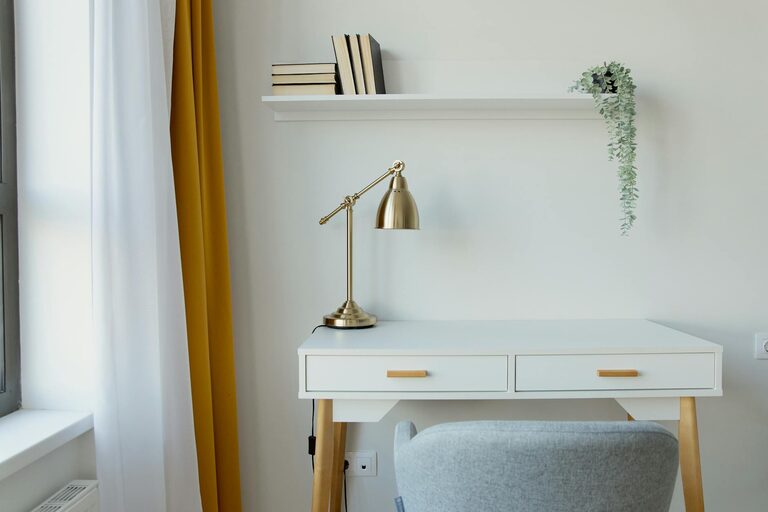
Creating a cosy and functional home office is more important than ever as many people spend increasing hours working from home. A well-designed workspace can boost your productivity, improve comfort, and even enhance your mood. Whether you have a dedicated room or just a corner in your living space, with the right approach, you can create an inviting and practical home office tailored to your needs.
Choose the Right Location
Finding the perfect spot for your home office is the first step in making it both cosy and functional. Here are some things to consider:
– Natural Light: Position your desk near a window if possible. Natural light helps reduce eye strain and creates a welcoming atmosphere.
– Quiet Area: Select a place away from household noise and distractions for better concentration.
– Space: Ensure you have enough room for your desk, chair, and necessary office equipment without feeling cramped.
Invest in Comfortable, Supportive Furniture
Your furniture choices greatly affect both comfort and productivity. Consider the following:
– Ergonomic Chair: A good, adjustable chair supports your back and promotes better posture during long working hours.
– Desk Size: Choose a desk that accommodates your computer, paperwork, and any additional items you regularly use.
– Flexible Setup: If possible, opt for a desk that can be adjusted to standing height or includes storage options to keep surfaces clear.
Organise with Smart Storage Solutions
A cluttered workspace can hinder efficiency and add stress. Use storage effectively to keep your home office tidy and functional:
– Shelves and Cabinets: Install wall shelves or cabinets to keep books, files, and office supplies organised but within easy reach.
– Drawers and Desk Organisers: Use drawer dividers and desktop trays to store stationery and small items neatly.
– Cable Management: Invest in cable clips or under-desk trays to keep cords organised and prevent tangling.
Personalise Your Space for Cosiness
Adding personal touches can make your office feel welcoming and comfortable, encouraging longer, more productive work sessions.
– Soft Textiles: Incorporate cushions, rugs, or a cosy blanket to soften the space and add warmth.
– Plants: Greenery can improve air quality and add a calming natural element to your room.
– Artwork and Photos: Hang inspiring art or family photos to make the space truly yours, without cluttering walls excessively.
Ensure Good Lighting
In addition to natural light, consider your artificial lighting needs:
– Task Lighting: Use a desk lamp with adjustable brightness to reduce eye fatigue during detailed work.
– Ambient Lighting: Add warm-toned lamps or overhead lights to create a relaxing environment overall.
– Avoid Glare: Position screens and lights to prevent reflections that can strain your eyes.
Keep Technology Efficient and Accessible
The right technology setup will streamline your workflow and reduce frustration.
– Reliable Internet Connection: Ensure your workspace has a strong Wi-Fi signal or connect via Ethernet for stability.
– Essential Devices: Choose devices that suit your workload, whether that’s a high-performance laptop, dual monitors, or a quality printer.
– Charging Stations: Have accessible power outlets or use multi-port chargers to keep devices powered without clutter.
Maintain a Balance Between Work and Relaxation
Creating clear boundaries helps maintain wellbeing when working from home.
– Dedicated Workspace: Try to keep your office separate from relaxation or sleeping areas.
– Break Area: If space allows, include a small chair or corner where you can take breaks and recharge.
– Routine and Tidying: Keep a routine of tidying your desk at the end of each day to signal the end of work and prepare for tomorrow.
Add Inspiring and Functional Accessories
Small details make a difference in both comfort and motivation.
– Notice Boards or Whiteboards: Use these for jotting down ideas, reminders, or schedules.
– Clocks: A stylish clock helps keep track of time without needing to check your phone.
– Organisers for Papers: Trays or magazine holders make managing documents easier and help reduce piles.
Final Thoughts
Designing a home office that is cosy yet functional is about blending comfort with practicality. By focusing on location, furniture, storage, personalisation, lighting, technology, and maintaining a good work-life balance, you can create a space that supports your productivity and wellbeing. Remember, your office should reflect your personality while encouraging an efficient workflow, making your work-from-home experience more enjoyable.
