Creating a home workspace that is both relaxing and productive is essential for anyone working remotely or managing tasks from home. A well-designed workspace can improve focus, reduce stress, and help maintain a healthy work-life balance. Here are some practical tips to help you set up an environment that nurtures productivity and relaxation.
Choose the Right Location
Selecting the perfect spot for your workspace is the first step to establishing a productive zone.
– Quiet and Undisturbed: Pick a place in your home where noise and distractions are minimal. This could be a spare room, a corner of the living room, or even a converted attic space.
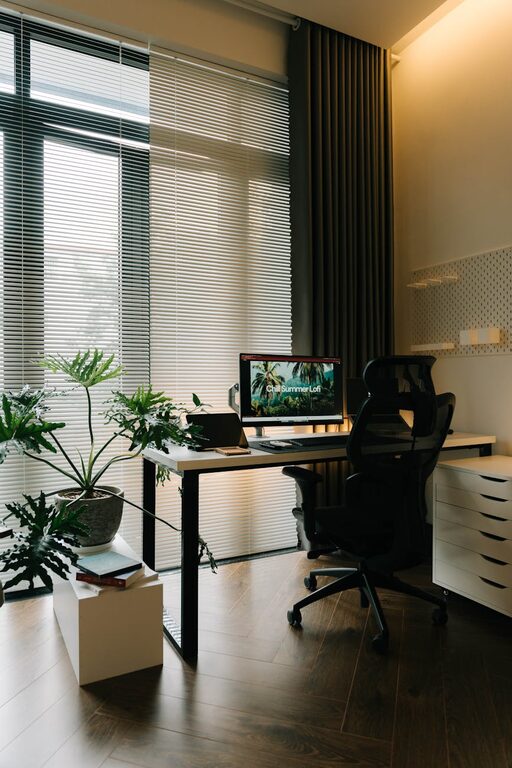
– Natural Light: Position your desk near a window to benefit from daylight. Natural light has been shown to boost mood and alertness.
– Separate from Leisure Areas: Try to avoid setting up your workspace in areas primarily used for relaxation like the bedroom or the sofa, to create a clear boundary between work and personal time.
Invest in Comfortable and Functional Furniture
Comfort is key when spending long hours at your desk.
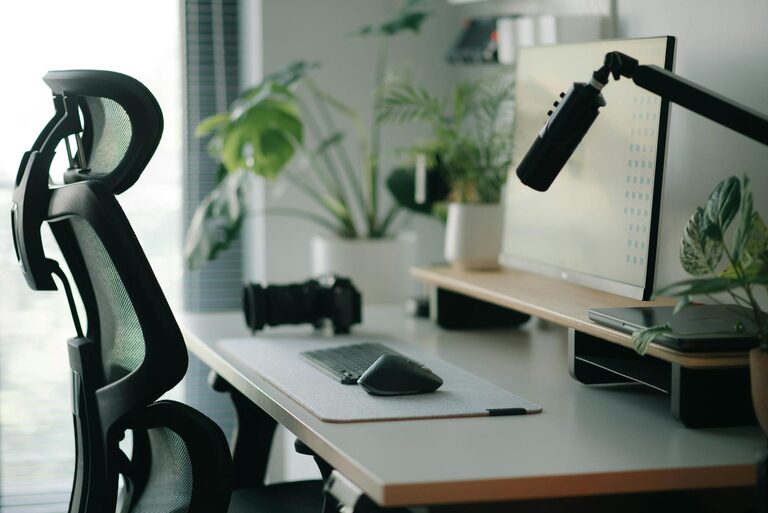
– Ergonomic Chair and Desk: Choose an office chair that offers proper back support and adjustable height. Your desk should allow for comfortable arm placement and enough space for essential items.
– Monitor Placement: Position your screen at eye level to prevent neck strain. Using a laptop stand or external monitor can help achieve this.
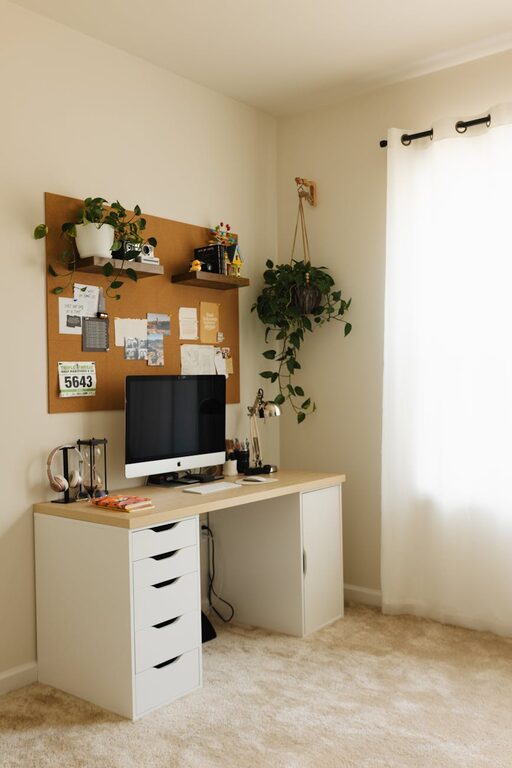
– Storage Solutions: Include shelves, drawers, or organisers to keep documents and supplies tidy, reducing clutter and distractions.
Create a Calm and Inviting Atmosphere
The atmosphere of your workspace greatly influences your mood and productivity.
– Colours: Use calming colours such as soft blues, greens, or neutrals for walls and accessories.
– Plants: Adding greenery can improve air quality and create a soothing environment.
– Personal Touches: Include photos, artwork, or meaningful objects that inspire and motivate you without overcrowding your space.
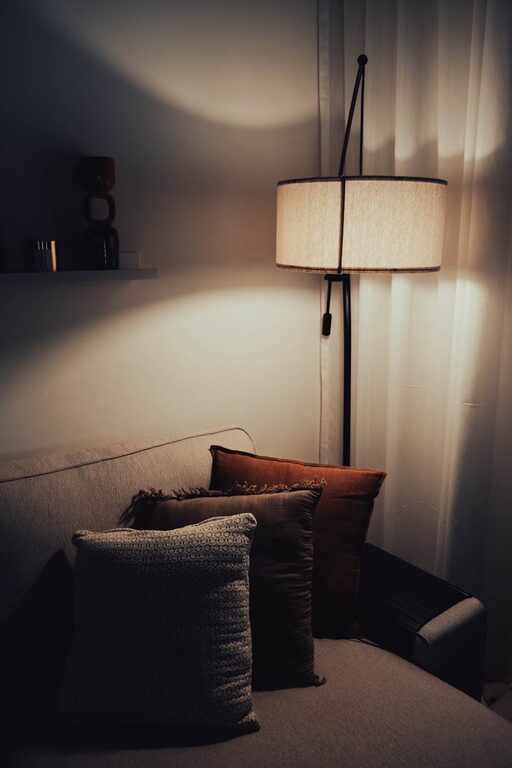
– Lighting: Use a combination of natural light and adjustable artificial lighting, like desk lamps with warm light, to reduce eye strain.
Organise Your Workspace Efficiently
A tidy and organised desk helps to maintain focus and efficiency.
– Declutter Daily: Spend a few minutes at the end of each day clearing paperwork, tidying supplies, and organising your desk.
– Use Cable Management: Keep cables neat and out of the way to reduce visual chaos and prevent accidents.
– Digital Organisation: Maintain well-structured folders and files on your computer to save time searching for documents.
Establish Routine and Boundaries
Maintaining routines and boundaries is important to balance work and relaxation.
– Set Working Hours: Define when you start and finish work to avoid burnout.
– Breaks and Movement: Schedule short breaks to stretch, hydrate, and refresh your mind.
– Limit Distractions: Use apps or settings that block social media or personal notifications during work hours.
– Dedicated Work Attire: Changing into work clothes can psychologically prepare you for productivity.
Incorporate Relaxation Techniques
Managing stress during work hours influences overall productivity.
– Breathing Exercises: Simple breathing techniques can help you stay calm.
– Background Music or White Noise: Soft instrumental music or white noise can improve focus for some people.
– Mindfulness Practices: Practising mindfulness or a short meditation can refocus your attention and reduce anxiety.
Utilise Technology Wisely
Technology can enhance your home workspace but use it thoughtfully.
– Quality Equipment: Invest in a reliable internet connection and quality peripherals like a mouse, keyboard, and headset.
– Regular Breaks from Screens: Follow the 20-20-20 rule, looking at something 20 feet away for 20 seconds every 20 minutes.
– Backup Your Work: Use cloud services or external drives for backing up important files to avoid data loss.
Keep Your Workspace Flexible
Your needs and routines may change, so adaptability is important.
– Multi-purpose Areas: Design your workspace so it can serve other purposes when you’re not working.
– Adjustable Furniture: Consider sit-stand desks or mobile furniture for greater flexibility.
– Seasonal Changes: Adapt lighting and decoration according to seasons to keep the space fresh and inspiring.
Final Thoughts
Setting up a home workspace that blends relaxation with productivity takes some planning but has lasting benefits. Remember, the goal is to create an environment that supports your work habits while also taking care of your wellbeing. With the right location, furniture, organisation, and atmosphere, your home workspace can become a place where you feel motivated and comfortable every day.

Related Posts